Outdoor jackets are engineered with specialized features to meet diverse environmental challenges, and their classification is rooted in material technology, weather resistance, and functional design. Here’s a detailed breakdown of key types and their targeted scenarios:
Constructed with advanced 3-layer laminates (e.g., Gore-Tex, eVent), these jackets feature a waterproof membrane bonded between a durable outer shell (ripstop nylon or polyester) and a moisture-wicking inner lining. With waterproof ratings typically ranging from 10,000mm to 20,000mm and breathability metrics of 10,000g/m²/24h or higher, they excel at blocking heavy rain, snow, and high winds while releasing excess heat. Fully taped seams eliminate water seepage through stitching, making them indispensable for extreme outdoor pursuits: alpine climbing (where sudden blizzards or freezing rain are common), backcountry skiing (resisting abrasions from ski edges and tree branches), multi-day expeditions in temperate rainforests, and offshore sailing (withstanding salt spray and gale-force winds). Their rigid structure also provides a protective barrier against sharp rocks or equipment in rugged terrain.
Designed for dynamic activity, soft shells use stretch-woven fabrics (often with a DWR [Durable Water Repellent] coating) that balance water resistance (2,000mm to 5,000mm) and breathability (8,000g/m²/24h+). Unlike hard shells, they offer 4-way stretch, allowing unrestricted movement for activities like trail running, mountain biking, and technical scrambling. The absence of a bulky membrane makes them lighter and more packable, ideal for cool but dry days in transitional seasons. Urban commuters also favor them for daily use—their sleek, less technical aesthetic pairs well with casual attire, while wind resistance shields against city gusts during bike commutes or evening walks. They perform best in light rain, mist, or windy conditions where heavy waterproofing would cause overheating.
A subset often paired with shells, insulated jackets focus on retaining body heat in frigid environments. They come in two primary variants: down-insulated (with fill powers from 600 to 800, offering exceptional warmth-to-weight ratios) and synthetic-insulated (using materials like Primaloft or Thinsulate, which retain warmth when wet). Down versions are perfect for cold, dry scenarios: winter camping in sub-zero temperatures, high-altitude treks where weight is critical, or as a mid-layer during alpine ascents. Synthetic options shine in damp cold—think spring snowshoeing, coastal winter hikes, or any activity where moisture (sweat or light rain) is likely, as they dry faster than down.
These ultra-thin jackets prioritize portability and wind protection over heavy waterproofing. Made from lightweight nylon or polyester (often with a basic DWR coating), they weigh as little as 100-200g and fold into a pouch small enough to fit in a backpack or pocket. With minimal insulation, they’re designed for transitional weather: spring/summer hikes where sudden wind chills occur, desert treks with drastic day-night temperature swings, or urban commutes where brief showers or gusts are the main concern. They’re also popular for travel, serving as a backup layer in luggage without taking up space.
Hybrid Jackets
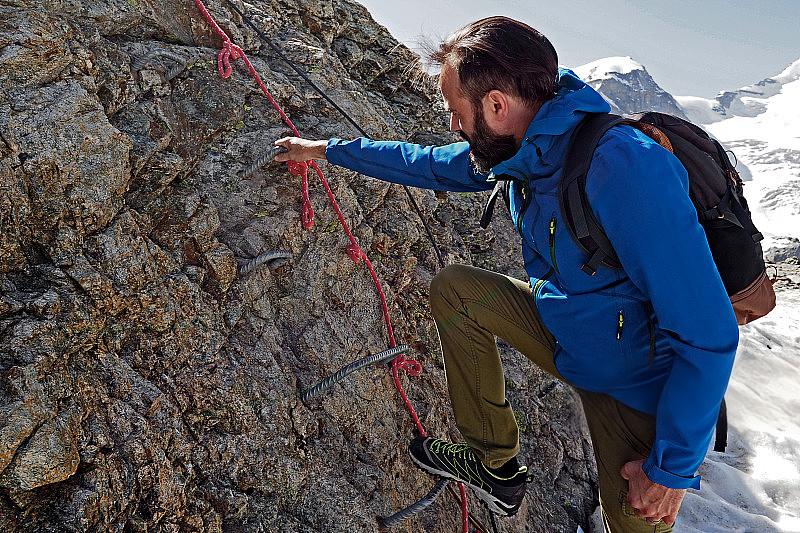
Blending features of hard and soft shells, hybrids use waterproof panels in critical areas (shoulders, hood) and breathable stretch fabric in others (underarms, sides). This design targets activities with mixed conditions—for example, winter trail running (where waterproof shoulders block snow, but breathable sides prevent overheating) or multi-sport outings (hiking in the morning, cycling in the afternoon). They’re a versatile choice for users who want balanced protection without carrying multiple layers.
Each category aligns with specific weather patterns, activity intensities, and environmental demands, ensuring outdoor enthusiasts can select the perfect jacket for their adventure.


