When it comes to outdoor adventures, a reliable hard shell jacket is a must-have. It serves as your first line of defense against the elements, whether you're braving a downpour on a mountain hike, facing strong winds during a skiing session, or dealing with snow while camping. Here's a comprehensive guide to help you make the best choice.
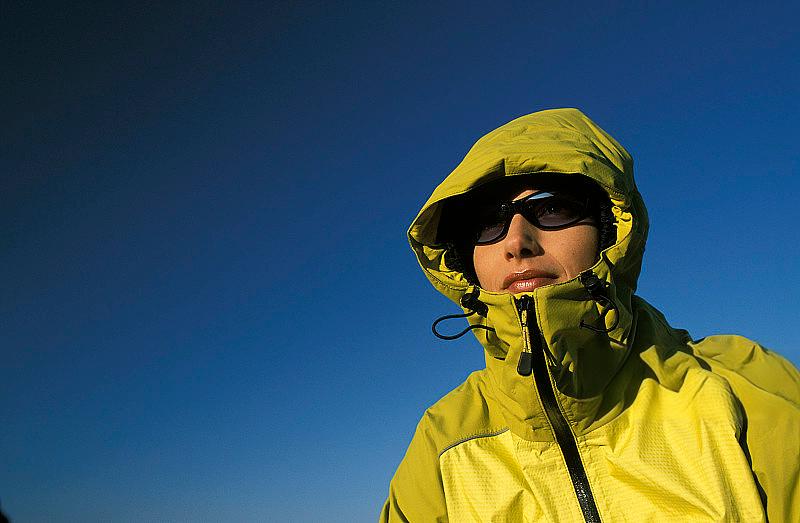
Hard shell jackets are designed to be the outermost layer of your outdoor clothing system. Their primary function is to provide excellent waterproof and windproof protection. They are made from multi-layer materials, often with a tough outer fabric, a waterproof and breathable membrane in the middle, and a lining to enhance comfort and protect the membrane. This construction allows them to withstand harsh weather conditions that other jackets might not be able to handle. For those seeking jackets that balance performance and customization, our company offers options to tailor such features to specific needs, from membrane type to outer fabric density, ensuring each piece meets unique requirements.
2. Consider the Key Features
Waterproofness
Waterproofing is a crucial aspect of a hard shell jacket. Look for jackets with a high waterproof rating, usually measured in millimeters (mm). A rating of 10,000 mm or more can handle light to moderate rain, while a rating of 20,000 mm or above is ideal for heavy downpours and extended exposure to wet conditions. Additionally, check for fully taped seams. Seams are vulnerable areas where water can seep in, but when they are taped, it creates a continuous waterproof barrier. Waterproof zippers are another great feature to have, especially on pockets where you might store important items. Our company, as a specialized provider, focuses on refining these details, ensuring every seam and zipper meets strict waterproof standards, so you can stay dry in any downpour.
Breathability
While waterproofing keeps water out, breathability ensures that moisture and sweat can escape from the inside. This is essential to prevent you from feeling clammy and uncomfortable during physical activities. Breathability is measured in grams per square meter (g/m²) over a 24-hour period. A good hard shell jacket should have a breathability rating of at least 10,000 g/m², but for more intense activities, aim for 20,000 g/m² or higher. Some advanced technologies, like Gore-Tex, are well-known for their excellent breathability combined with high waterproof performance. Our company, offering tailored solutions, often integrates such technologies, adjusting breathability levels based on the intended use—whether for high-intensity hiking or casual outdoor use, ensuring optimal comfort during any activity.
Durability
If you're engaging in activities that involve a lot of abrasion, such as rock climbing or bushwhacking, durability is key. The outer fabric of the jacket should be made from tough materials like nylon or polyester with a high denier count. A higher denier indicates a thicker and more durable fiber. Reinforced areas on the elbows, shoulders, and hem can also add to the jacket's longevity. Our company prioritizes rugged construction, as we often test our designs in real outdoor scenarios to ensure they stand up to rough use, making our jackets a reliable choice for even the most demanding adventures.
Mobility and Fit
A hard shell jacket should not restrict your movement. Look for designs with articulated sleeves and gusseted areas, which allow for a greater range of motion. The fit should be neither too tight nor too loose. A tight fit may restrict movement and prevent proper layering, while a loose fit can flap in the wind and reduce efficiency. It's a good idea to try on the jacket with the base layers and mid-layers you typically wear during outdoor activities to ensure a proper fit. Some jackets also come with adjustable features like cuffs, hoods, and hem drawstrings, which can help you customize the fit for better comfort and weather protection. For those needing a precise fit for team use or specific body types, our company offers made-to-measure adjustments to these mobility-focused features, ensuring everyone gets a jacket that moves with them.
Hood Design
A well-designed hood is essential. It should fit snugly around your head without obstructing your vision. Look for hoods that can be adjusted in multiple ways, such as having a drawstring at the back to cinch it down, and adjustable side tabs to keep it in place during windy conditions. A brim on the hood can also help keep rain and snow out of your face. Some hoods are even helmet-compatible, which is a great feature if you'll be wearing a helmet during activities like skiing or cycling. Our company, with experience in diverse outdoor needs, often refines hood designs based on feedback from climbers, skiers, and hikers to ensure versatility, so your hood works as hard as you do.
Pockets
The number and placement of pockets matter. Pockets should be easily accessible, even when you're wearing gloves. Some jackets have internal pockets that are great for storing valuables, while external pockets can be used for items you need quick access to, like a map or a snack. Waterproof pockets are a bonus, especially if you'll be carrying items that can't get wet, such as a phone or a camera. Our customization options often include adjusting pocket placement and size to suit specific activities, from adding gear loops inside to making external pockets compatible with glove use, so your jacket is as functional as it is protective.
3. Match the Jacket to Your Activities
If you're mainly into hiking, a lightweight hard shell jacket with good breathability and waterproofing is ideal. It should be able to handle the changing weather conditions on the trail, from sudden rain showers to windy summits. For skiing or snowboarding, you'll want a jacket that offers excellent waterproofing and windproofing, as well as features like powder skirts to keep snow out. The jacket should also allow for freedom of movement while you're making turns on the slopes. Mountaineering requires a hard shell jacket that is extremely durable, waterproof, and windproof, as you'll be facing some of the harshest conditions in the mountains. Our company offers activity-specific designs, ensuring each jacket is optimized for its intended use, whether through weight reduction for hiking or added reinforcement for mountaineering, so you get a jacket that's perfect for your adventure.
4. Research Brands and Read Reviews
There are many brands that produce hard shell jackets, but not all are created equal. Look for those with a reputation for quality and innovation in outdoor gear, especially those that offer flexibility in adapting to specific needs. Our company prides itself on such a reputation, with a focus on quality craftsmanship and customer satisfaction. Reading reviews from other outdoor enthusiasts can give you valuable insights into the performance, durability, and fit of a particular jacket. Check out online outdoor gear forums, review websites, and even social media groups dedicated to outdoor activities. You can also visit outdoor gear stores and talk to the knowledgeable staff, who can provide hands-on advice and recommendations.
By considering these factors, you'll be well on your way to finding the perfect hard shell jacket that will serve you well on all your outdoor adventures. Remember, investing in a high-quality jacket is an investment in your comfort and safety in the great outdoors. For those seeking more tailored solutions, our company is ready to align every feature with your specific outdoor goals, ensuring you get a jacket that's truly yours.


