When it comes to hard shell jackets, waterproofing is non-negotiable—but not all waterproof fabrics are created equal. Two dominant constructions dominate the market: 3-layer and 2.5-layer designs. While both promise protection against rain and wind, their structural differences translate to distinct performance traits, making each better suited for specific use cases. As an OEM/ODM manufacturer with over a decade of expertise in outdoor textiles, we’re breaking down the nuances to help brands choose the right construction for their audience.
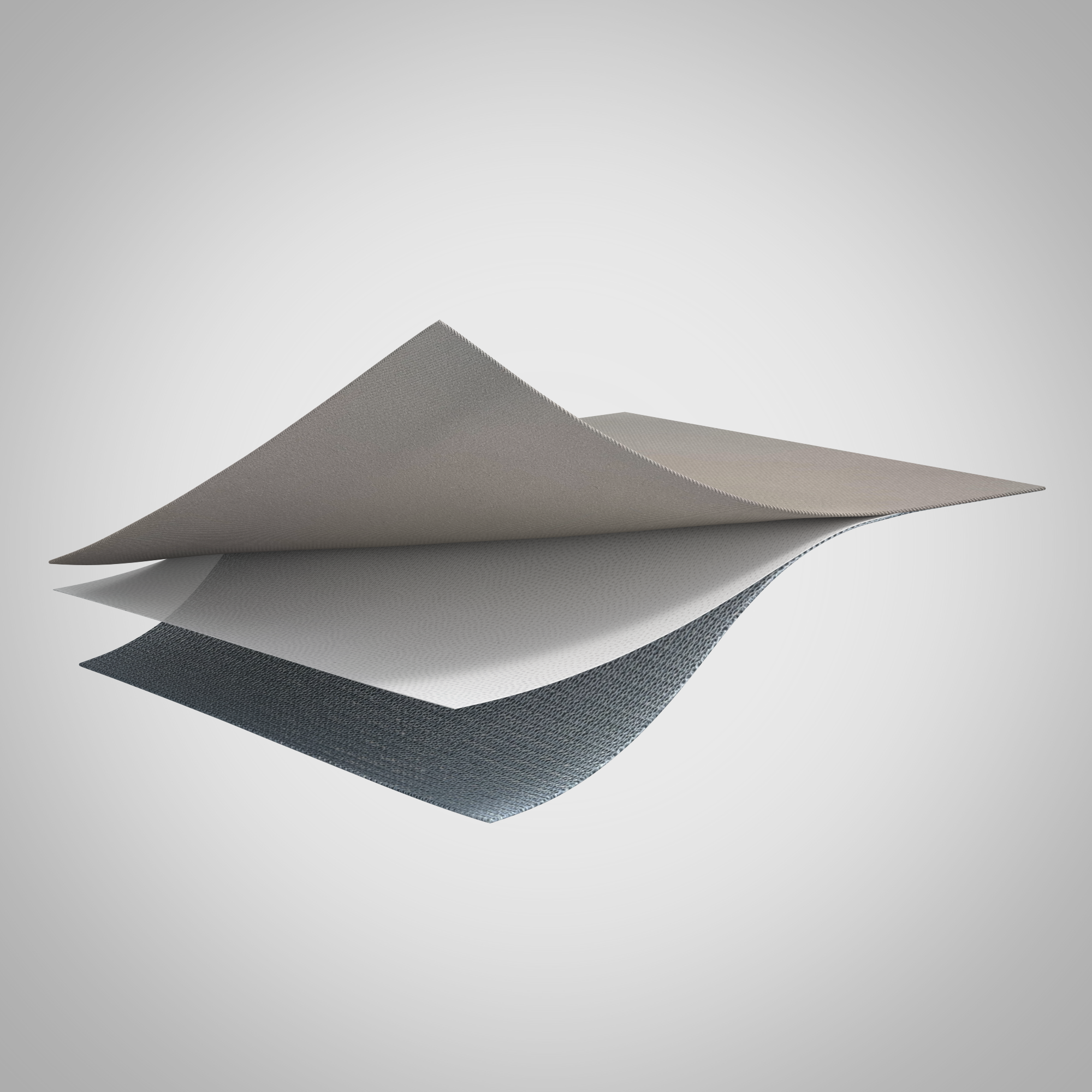
1. Fabric Structure: The Core Difference
At their core, both constructions rely on a waterproof-breathable membrane (such as PU, eVent, or our in-house developed membrane with 20,000mm water resistance). The key distinction lies in how layers are bonded:
A 3-layer jacket combines three distinct components:
The lining adds structural stability, reducing friction between the membrane and the wearer’s layers. This makes 3-layer jackets more resistant to tearing and abrasion—a critical feature for harsh environments.
- Outer face fabric (typically 70D–200D nylon or polyester for durability)
- Waterproof-breathable membrane (the "heart" of the jacket)
- Inner tricot or mesh lining (attached directly to the membrane)
The 2.5-layer design streamlines the build:
This "half layer"—usually a printed or textured polyurethane coating—serves to protect the membrane without adding significant weight. It’s lighter and more packable but sacrifices some durability compared to 3-layer builds.
- Waterproof-breathable membrane
- A thin protective coating (instead of a full inner lining)
2. Breathability: Numbers Tell the Story
Breathability (measured in g/m²/24h via the JIS L1099 standard) determines how effectively a jacket releases sweat vapor, preventing interior condensation during high activity. Our lab tests reveal clear patterns:
- 3-Layer Jackets: Average 15,000–25,000 g/m²/24h
The tricot lining acts as a moisture-wicking buffer, drawing sweat away from the skin and allowing it to evaporate through the membrane. This makes 3-layer jackets ideal for sustained high-output activities, where prolonged exertion generates significant body heat.
- 2.5-Layer Jackets: Average 10,000–18,000 g/m²/24h
The thin coating limits vapor transmission slightly, as there’s no lining to facilitate moisture movement. While still breathable enough for moderate activity, they may feel clammy during intense workouts.
Our Edge: Regardless of construction, we enhance breathability by laser-perforating membrane panels in high-sweat zones (underarms, lower back) during production— a precision technique our factory masters with 0.1mm accuracy to avoid compromising waterproofing.
3. Performance in Action: Use Cases
The right construction hinges on the end user’s needs:
- 3-Layer Jackets: For Extreme Conditions
With superior durability and breathability, these excel in alpine climbing, backcountry skiing, and multi-day treks. The robust outer fabric withstands rock scrapes and branch snags, while the lining ensures comfort during extended wear. Our 3-layer models include reinforced shoulder panels (1680D ballistic nylon) and bartacked stress points—details we’ve refined through partnerships with mountaineering brands.
- 2.5-Layer Jackets: For Urban and Light Outdoor Use
Lighter (typically 300–450g vs. 500–700g for 3-layer) and more packable, these are perfect for city commuters, day hikers, or travelers. Their sleek profile layers easily over sweaters without bulk, and the thin coating resists pilling from frequent use. We’ve optimized our 2.5-layer designs for urban aesthetics, offering matte finishes and minimal seam visibility—key for lifestyle-focused brands.
Our Manufacturing Commitment: Seams and Durability
Waterproof fabric means nothing without flawless construction. At our facility, both constructions undergo rigorous quality checks:
- Tape Seaming: We use 13mm wide waterproof tape (rated to 10,000mm) applied at 120°C with precision machinery, ensuring 100% coverage of stitch lines. For 3-layer jackets, we add extra tape at shoulder seams and zipper flaps—high-stress areas in alpine use.
- Membrane Protection: During cutting, 2.5-layer fabrics are handled with anti-abrasion mats to prevent damage to the thin coating, a detail that reduces returns by 30% for our clients.
- Quality Testing: Every batch undergoes 24-hour hydrostatic pressure testing and 72-hour breathability trials in our in-house lab, with results shared transparently with brands.
Choosing the Right Construction
- Opt for 3-layer if your brand targets serious outdoor enthusiasts, climbers, or workers in harsh environments—prioritizing durability and high breathability.
- Choose 2.5-layer for urban outdoor lines, travel jackets, or budget-conscious collections where lightness and packability are key.
At
Auming Outdoor Ltd, we don’t just manufacture jackets—we engineer solutions. Whether you need 3-layer ruggedness or 2.5-layer versatility, our team works with brands to refine every detail, from fabric selection to finishing touches.
Ready to test samples? Contact our technical team for custom swatches and performance data tailored to your product line.


